

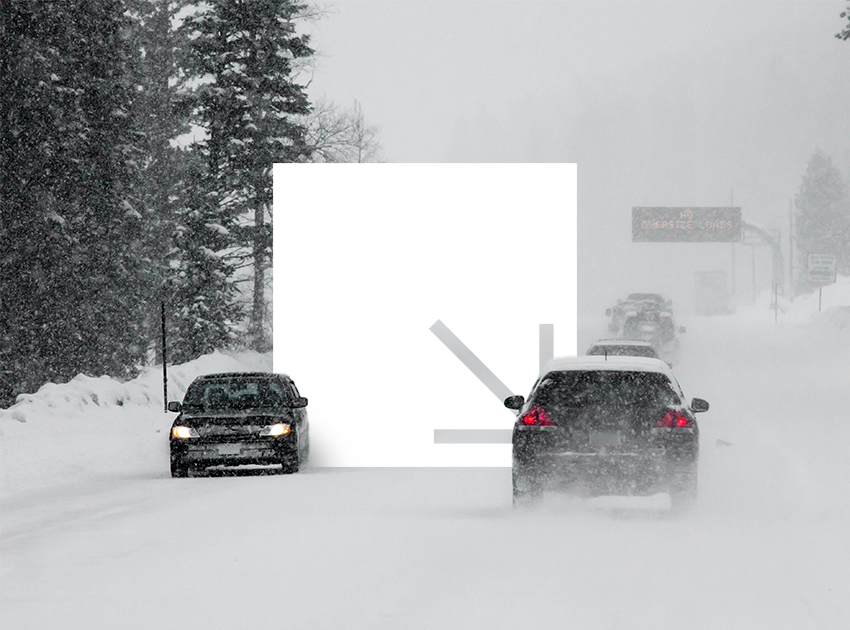
From snow-capped mountains and frosty forests to peaceful open roads, winter driving can bring some wonderful scenes. However, it also introduces driving laws that differ considerably from country to country. If you’re planning to rent a car in Europe, North America or further afield, understanding local winter tyre and snow-chain rules is essential. These requirements can vary by region, altitude and even daily weather conditions.
To help you prepare, this guide highlights key winter driving regulations across major destinations, so you know what to expect before you collect your hire vehicle.
Why do winter driving rules matter?
If you’re stopped at a checkpoint or become stuck in winter conditions without the correct tyres or equipment, penalties can be significant. In some countries, driving without chains when required can result in fines, denied access to mountain passes or even police-imposed travel bans until the vehicle is made safe.
If you’re hiring a car, the impact can be even greater. If you cause damage because your car wasn’t equipped for winter – for example sliding on untreated roads, damaging wheels on ice or blocking a route – hire companies could treat this as negligent use. This can leave you responsible for repair costs, lost-use fees and other charges.
Having winter-appropriate equipment and knowing the rules isn’t just a legal requirement – it’s a key part of protecting yourself financially when driving abroad, just as having car hire excess insurance is.
Europe
United Kingdom & Ireland 🇬🇧🇮🇪
No legal requirement for winter tyres, but both countries strongly recommend them in snow or ice, particularly in rural or highland areas. Chains may be used when conditions demand.
France, Italy & Spain 🇫🇷🇮🇹🇪🇸
Winter equipment rules depend on the region.
- In the French Alps and Pyrenees, winter tyres or chains are compulsory from 1 November to 31 March.
- Northern Italy and Alpine regions require winter tyres or chains from mid-November to mid-April.
- Spanish mountain routes often enforce chain requirements during snowfall.
Germany 🇩🇪
Rather than fixed dates, Germany enforces weather-based rules. Winter tyres are mandatory whenever there’s ice, slush or snow, and chains must be fitted where signs instruct.
Nordic Countries (Sweden, Norway, Finland) 🇸🇪🇳🇴🇫🇮
The Nordic countries enforce some of the strictest laws Europe, which makes sense given their climate.
- Sweden requires winter tyres in wintry weather between 1 December and 31 March.
- Norway demands at least 3mm tread depth in winter and regulates studded tyre periods.
- Finland applies compulsory winter tyre rules from December to February.
Switzerland & Austria 🇨🇭🇦🇹
Snow chains are mandatory where signposted, particularly on steep or alpine routes. Austria requires winter tyres in wintry conditions from November to April.
North America
USA 🇺🇸
Winter rules are state-specific. Mountain states such as Colorado activate chain laws from early autumn through late spring. California’s Sierra Nevada and Yosemite areas often require snow chains during snowfall.
Canada 🇨🇦
Regulations vary by province:
- Quebec mandates winter tyres from 1 December to 15 March.
- British Columbia requires winter tyres or chains on many highways from 1 October to 30 April.
Oceania
Australia & New Zealand 🇦🇺🇳🇿
Winter tyre laws are uncommon, but alpine regions – including Tasmania and New Zealand’s South Island – may require or strongly recommend snow chains during storms.
Asia
Japan 🇯🇵
Winter tyres are required in many northern prefectures. Snow chains may be compulsory in heavy snow.
China 🇨🇳
Regulations vary, but northern and mountainous areas often impose chain or tyre requirements during severe weather.
Common Penalties or Risks
If you drive without the required winter equipment, consequences can include:
- Fines or on-the-spot penalties
- Being turned back from mountain routes or border crossings
- Liability for breakdown recovery if your vehicle becomes stuck
- Police prohibiting further travel until your tyres or chains are corrected
- Heavy financial responsibility if the rental car is damaged due to unsuitable equipment
Car Hire Excess Insurance
Whilst excess insurance protects against many forms of accidental damage – such as broken auto glass, wheel damage or underbody scrapes – it won’t cover incidents arising from negligence. Driving into winter conditions without legally required tyres or chains may be considered negligent use of the vehicle.
That being said, a dedicated car hire excess policy is invaluable. Winter roads increase the likelihood of tyre punctures, glass damage and minor collisions, all of which can result in expensive excess charges if you don’t have proper cover.
Final Thoughts
Winter laws vary dramatically between countries, and sometimes even between regions within the same country. Whether you’re travelling through the Alps, the Rockies or Scandinavia, checking equipment rules in advance will help you stay legal and avoid unnecessary stress.

Comments are closed