

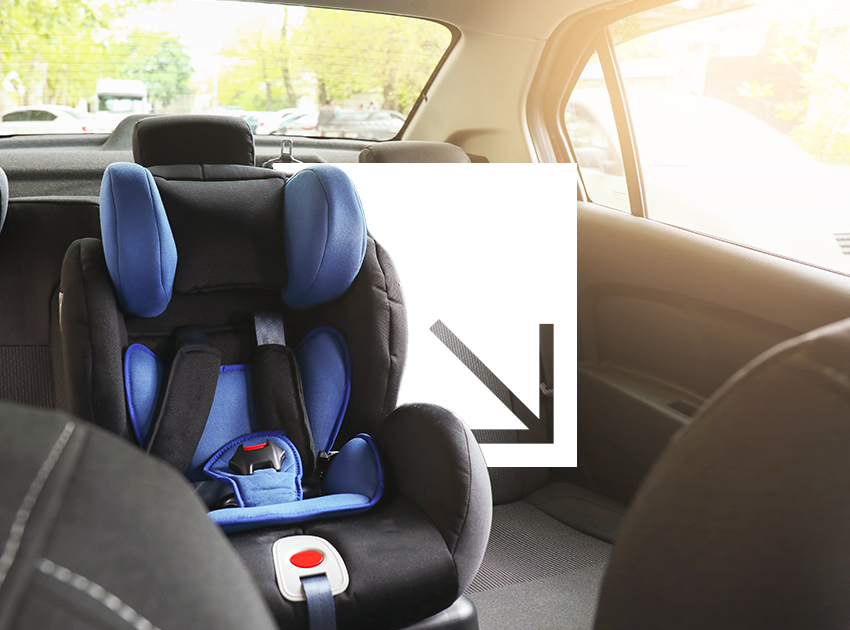
If you’re hiring a car abroad with children, understanding child car seat laws is essential. While the rules are broadly designed to keep children safe, they vary widely from country to country. What’s legal in one place may not be allowed in another.
This guide gives you a global overview of child car seat laws, explains how rules differ by region, and highlights what to check before you travel. It’s designed to help you stay legal, avoid fines and protect your family while driving overseas.
Child car seat laws are different around the world. Most countries require children to use an approved child seat or booster until they reach a certain age, height or weight, but the exact rules depend on where you’re driving. Always check local regulations before hiring a car abroad.
Why Child Car Seat Laws Vary Globally
There is no single worldwide standard for child car seats. Instead, countries and regions set their own rules based on local safety standards, vehicle design and road safety policies. This means:
When hiring a car abroad, it’s your responsibility as the driver to follow local laws, even if they’re different from what you’re used to at home.
Europe 🇪🇺
Most European countries follow EU‑approved car seat standards. Children usually need a suitable child seat or booster until they reach a specific age or height, often between 135cm and 150cm.
Two main standards are recognised:
If you’re driving in Europe, see our full guide to child car seat laws in Europe.
United States & Canada 🇺🇸🇨🇦
In the USA and Canada, child car seat laws are set at state or provincial level, which means rules can change as you cross borders.
In general:
If you’re hiring a car in North America, always check the specific state or province you’re visiting, not just the country as a whole.
Australia & New Zealand 🇦🇺🇳🇿
Australia and New Zealand have clear and strictly enforced child restraint laws. Typically:
Approved seats must meet local safety standards, which can differ from European models.
Asia & the Middle East
Child car seat laws vary widely across Asia and the Middle East.
If you’re travelling in this region, it’s especially important to check local guidance before you drive and confirm what your hire car company provides.
South America & Africa
Many countries in South America and Africa have child car seat laws, but enforcement levels can vary. In some places:
Because rules and enforcement can differ, it’s best to research the specific country and region you’re visiting before you travel.
Hiring a Car Abroad with Children
Child car seat laws apply to hire cars in the same way they apply to private vehicles. Most car hire companies offer child seats as optional extras, but availability and quality can vary. Before you drive off:
It’s also worth protecting yourself against high excess charges if the hire car is damaged or stolen. A separate car hire excess insurance policy can reimburse these costs, helping you avoid unexpected bills abroad.
FAQs
No. Child car seat laws vary by country and sometimes by region within a country. Always check local rules before you travel.
Yes. In most countries, child car seat laws apply equally to hire cars and private vehicles.
Often yes, but make sure it’s approved for use in the country you’re visiting and compatible with the hire car, especially if it uses ISOFIX.
In some countries taxis are exempt, but this varies. Even where exemptions exist, using a suitable child restraint is strongly recommended for safety.
Child car seat laws around the world are designed to keep children safe, but they’re not the same everywhere. By checking the rules before you travel, choosing the right seat and protecting yourself with suitable car hire excess insurance, you can enjoy your trip with confidence.

Comments are closed