
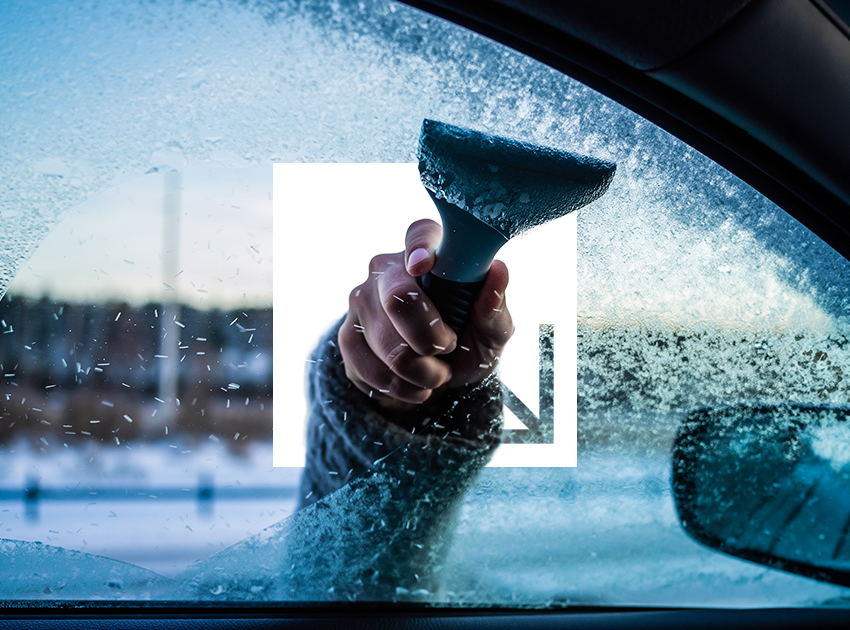
Waking up to a car sealed under a layer of frost is a familiar winter frustration. For drivers of rental cars, it can be even more stressful as oftentimes a simple mistake with ice removal could leave scratches, cracks or damaged wiper mechanisms that quickly turn into costly fees from the car rental company. Although excess insurance policies for hire cars like the ones from ReduceMyExcesss can soften the financial blow, preventing accidental damage in the first place is undeniably the easier option.
Why Does the Right Technique Matter?
Frozen windscreens are more than just an inconvenience. If you go about defrosting your car in the wrong way like by dragging a credit card across the glass, yanking on frozen wiper blades or pouring hot water over the screen, you risk damaging components that are costly to fix.
Start Inside the Car
Many people head straight for the ice but it’s the inside of the car that does most of the work to melt it. However, before anything else, make sure the windscreen wipers are switched off; if they try to move while stuck to the glass, the rubber can tear or the motor can strain. Once you’ve checked this, start the engine and set the car’s ventilation system to the windscreen and windows. Rear demisters and, if your car has them, heated front screens help the process along.
Using the air conditioning simultaneously may seem counterintuitive on a freezing morning but it helps reduce moisture inside the cabin and helps stop the glass misting up as it warms.
Deal with the Exterior Whilst the Screen Warms
As the heaters begin loosening the frost from within, use the time to clear the rest of the car. Snow on the bonnet or roof can fall forward when you brake or blow onto other road users, so brush it away with a soft snow brush.
If ice has formed on the mirrors, lights or bodywork, apply de-icer and use a proper plastic scraper designed for automotive glass. Avoid metal objects or household items – they can dig into paint and glass.
The One Thing You Should Never Use
Hot or warm water is often suggested as a quick fix, but it’s actually one of the riskiest options. Windscreens can’t cope with sudden temperature shocks and if there’s already a tiny chip, the rapid expansion and contraction can cause it to spread into a crack. On very cold days, the water can even freeze instantly, giving you thicker ice than you started with.
Make Sure You Can See Properly
Even if you’re running late, resist the urge to drive off as soon as you can glimpse the road. Leaving only a palm-sized clear patch – sometimes called ‘portholing’ – is illegal in the UK and can result in fines and penalty points.
Additionally, every window, mirror and light needs to be visible before you set off.
How to Prevent Ice in the First Place
Parking indoors is the simplest way to avoid frozen glass, but if that isn’t an option, covers are a huge help. A full car cover keeps frost from forming across the whole vehicle, while windscreen covers or mirror bags focus on the areas that matter most. They won’t remove the need for heaters altogether but they cut down the amount of ice you need to deal with and save a lot of time on winter mornings. Just remember to keep the covers clean and dry so they don’t develop mould.
What to Do When Ice Forms on the Inside
Frost inside the car is usually caused by lingering moisture from things like wet coats, umbrellas, blocked ventilation or worn door seals. Improving airflow, removing damp items and placing silica gel packs inside the car can all help reduce humidity. Anti-fog sprays can also slow the buildup of condensation.
Final Thoughts
De-icing isn’t complicated but doing it carefully makes a big difference. With the right tools, a bit of preparation and the proper use of your car’s heating system, you can protect the windscreen and avoid unexpected repair charges. For more cold-weather support, browse our guides on driving in snow and ice, and learn where you’ll need winter tyres and snow chains to stay on the right side of the law.

Comments are closed