
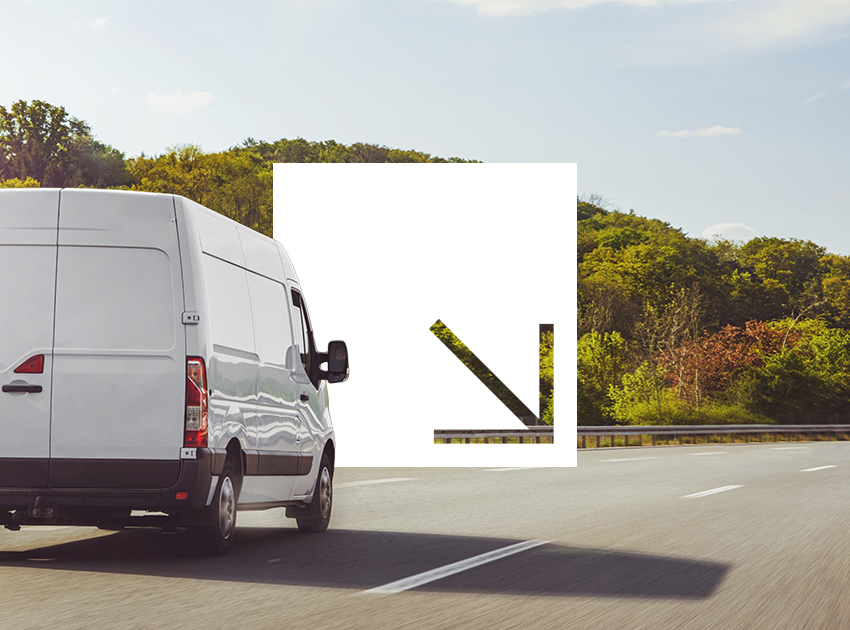
Hiring and driving a van for the first time can feel daunting if you’re only used to driving a car. Vans are larger, taller, heavier, and have different handling characteristics – this is why it’s important to do some preparation before you set off. Whatever your reason for hiring a van, these tips will allow you to remain safe and be confident when you’re behind the wheel. Remember, before you hire a van, make sure to take out a van hire excess insurance policy from ReduceMyExcess.
1. Check Your Driving Licence
Before booking a van hire, it’s important that you check your driving licence allows you to drive it. This is one of the most common causes of refused rentals and invalid insurance.
Normal car driving licences (UK Category B) allow you to drive vans and vehicles up to 3,500kg (3.5 tonnes) Gross Vehicle Weight (GVW), with up to 8 passenger seats, and a trailer up to 750kg – as long as the combined weight rules are met.
If the van has a GVW over 3,500kg, you will need a different licence category. A Category C1 licence allows you to drive vehicles between 3.5t and 7.5t; Category C allows anything larger than this such as HGVs.
2. Load the Van Correctly
Proper loading will improve your safety and handling. An even load helps with braking and cornering.
Make sure you place heavy items in the back of the van first. They should be low and at the front, or along the walls. If you’re packing heavy furniture, it’s a good idea to dismantle this – it will make handling easier. Then, you can place lighter items on top. Any gaps there are can be filled with soft items like pillows and blankets.
Make sure to use straps to secure everything and prevent movement.
Never exceed the van’s maximum payload.
How Can I Find Out the Van’s Minimum Payload?
The maximum load for the van you’ve hired should be outlined on the vehicle data plate or sticker typically located inside the driver’s door frame. Equally, the owner’s manual should outline the Gross Vehicle Weight (GVW), Kerb Weight, and Payload, as should the V5C registration document. Failing this, if you go to the manufacturer’s website this should have information on the maximum payload too. You can work out the payload by subtracting the kerb weight from the GVW.
To weigh the van to ensure it’s not overweight, head to weighbridges. Use the government website to find your nearest one.
3. Understand Van Limits
Now you’re nearly ready to set off, it’s important you understand that vans have different speed limits than cars.
- Dual carriageways: 60 mph
- Motorways: 70mph
As well as being aware of the different speed limits for vans, it’s also a good idea to note down the van’s height and width so you don’t get stuck under low clearances. Plan your routes in advance so you can avoid low bridges and narrow lanes.
4. Use Your Mirrors
Unlike cars, vans don’t have a rearview mirror. This means you need to rely on large side mirrors to monitor the traffic and any blind spots. You’ll need to be extra vigilant about utilising the passenger side mirror as there could be cyclists or other easily missed road users.
5. Take Corners Carefully
One of the biggest differences you’ll notice is the turning circle. Vans need wider turns than cars, especially at junctions.
To safely make a 90-degree turn, you’ll need to drive slightly past the junction before you swing into the road. If you cut the corner and don’t take it wide enough, it can lead to curbing the wheels or hitting obstacles.
Top tips for taking corners in a van:
- Always check both mirrors before you turn
- Take corners slowly and gently
- If in doubt, stop and assess how much room you have
6. Driving a Van in Adverse Weather & on Motorways
Driving a van in poor weather or at motorway speeds can feel very different to driving a car but knowing what to expect will prevent over-correction and panic braking. This is because vans are taller, lighter at the rear when they are empty, and have larger flat sides meaning vans can act like sails in particularly strong crosswinds.
You might notice the van being pushed sideways, especially on open roads, bridges, or when you’re passing gaps in hedges or buildings. You may also notice sudden jolts if you overtake lorries or coaches as you move in and out of their wind shadow.
Make sure you keep both your hands on the steering wheel and reduce your speed. If the winds still feel strong enough to affect your steering, it’s a sign you should slow down.
As well as in windy conditions, you also need to take care in the rain as braking distances can significantly increase and spray from other vehicles can reduce visibility. If the van is lightly loaded, it will be more likely to aquaplane. Loaded vans will grip the road better but still need more time to brake and reach a complete stop than a car.
7. Allow Additional Space and Time
As vans are heavier than cars, particularly if they are loaded, this means they have longer braking distances. They’ll also have slower acceleration. This means you should leave plenty of space between you and the vehicle in front. If the van feels especially sluggish and difficult to control, it may be overloaded – check the weight at a weighbridge if handling feels unsafe.
8. Parking and Manouevring
Parking a van can be tricky as there is no rearview mirror. If the van has reversing camera then definitely utilise these. If the van you’re driving doesn’t have these or you’re still not feeling confident, ask someone to help guide you into the tight spaces. It’s a good idea to practice driving, handling and getting used to the gearbox in a quiet area before you head into busier streets.
Final Thoughts
Driving a van doesn’t have to be stressful. With careful planning, proper loading, and attention to speed limits, you will be ready for a smooth journey in your van.

Comments are closed